How to Financially Prepare to Buy a New Construction Home in Palm Coast, FL
PLAN WITH CONFIDENCE. BUY WITH CLARITY.
START WITH THE FULL COST OF HOMEOWNERSHIP
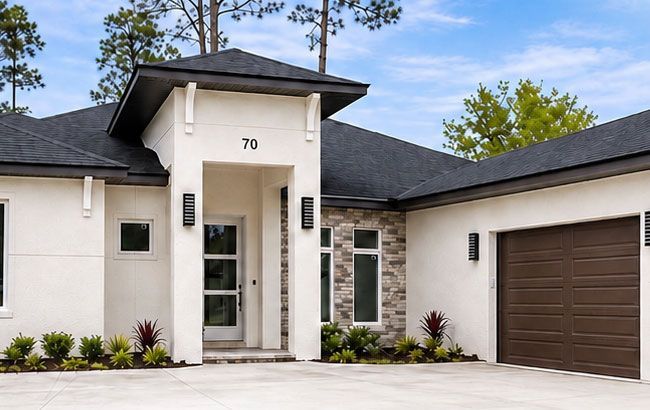
Buying a new construction home is different from buying a resale home - especially in Florida. Your budget is not just a down payment and a mortgage payment. Depending on the type of home you choose, you may also need to plan for builder deposits, design selections, a longer rate-lock period, Florida homeowners insurance, flood-zone considerations, property taxes, and other community-specific costs.
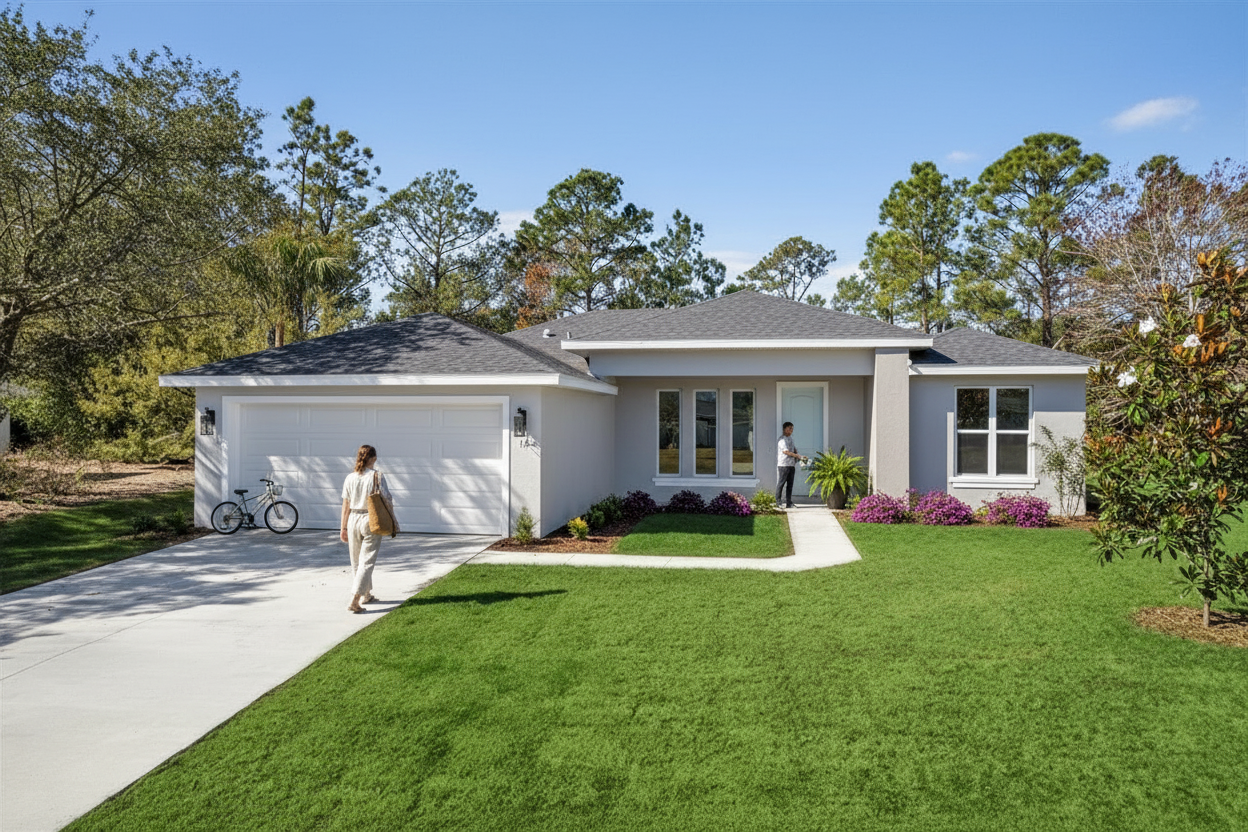
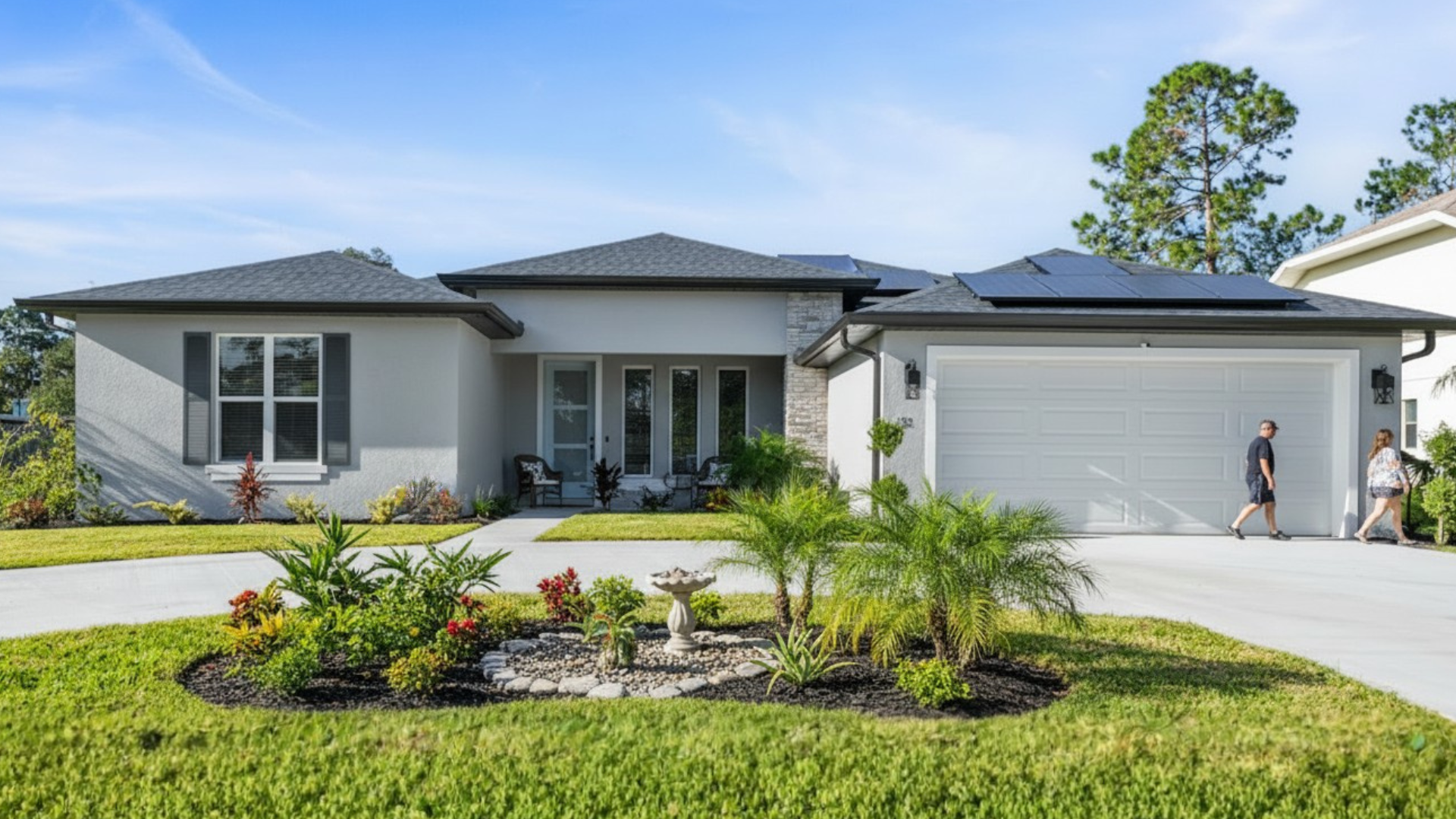
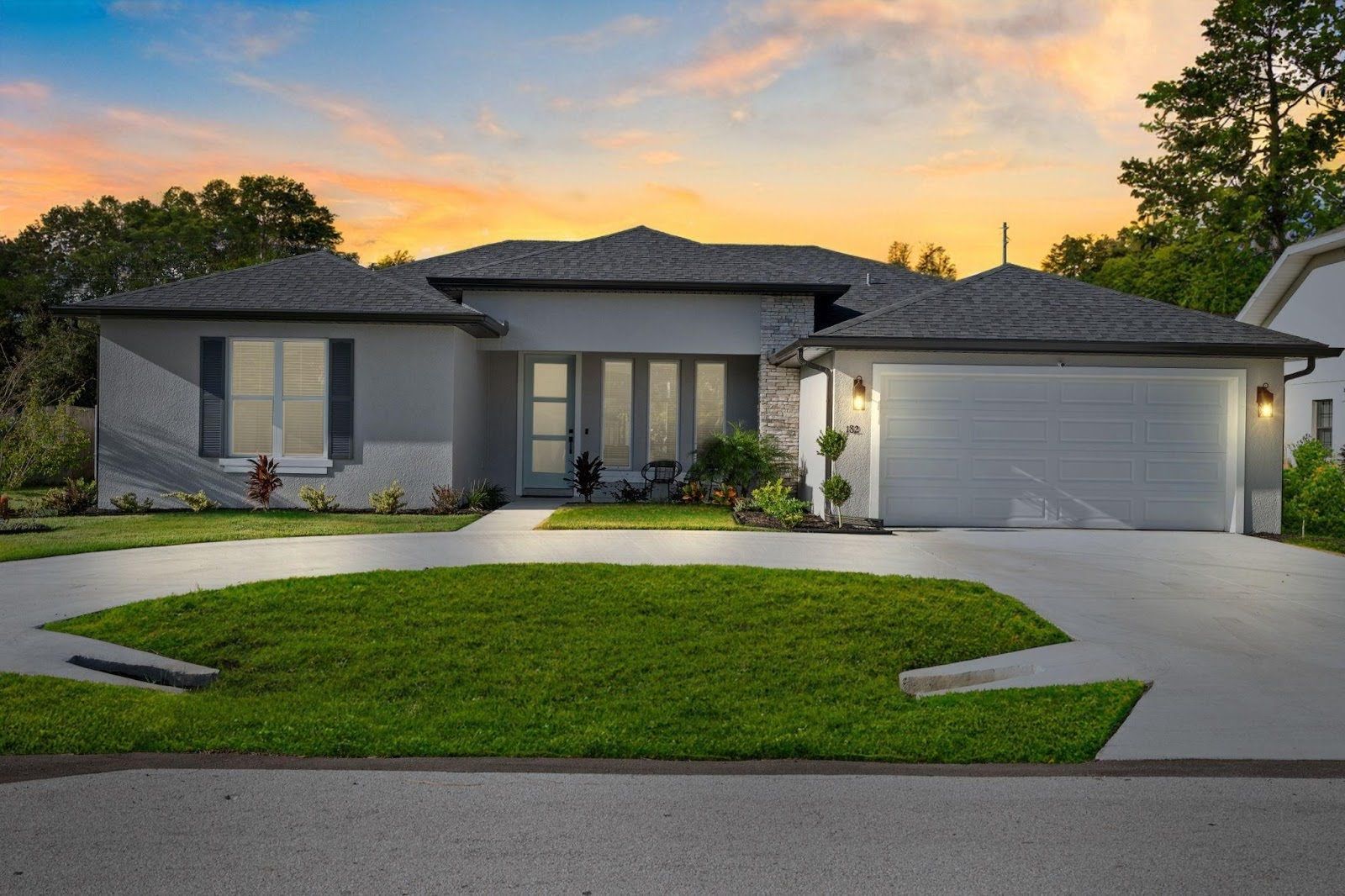
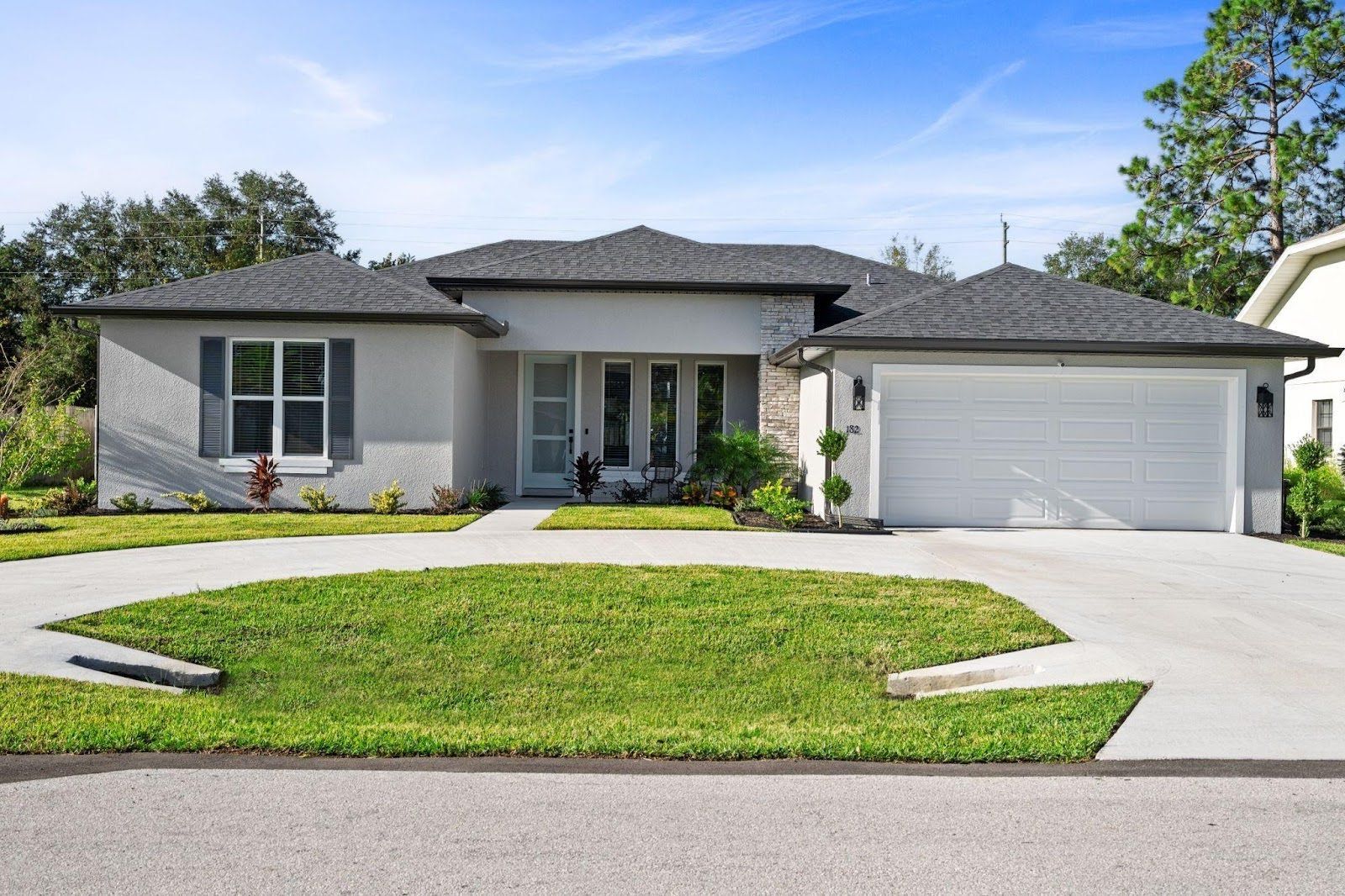
At Caspian Homes, we build and sell new homes in Palm Coast, including move-in ready inventory and homes buyers can personalize. The six steps below will help you prepare for the costs that matter most before you move forward.
1. Review Your Credit Score - and Understand What It Can Cost You
Your credit score can affect which mortgage programs are available to you and the interest rate you are offered. Before you apply, review your credit reports for errors, keep every account current, reduce revolving balances where possible, and avoid opening new credit unless your lender tells you it is safe to do so.
Why this matters in dollars: as a simple illustration, principal-and-interest on a $350,000, 30-year loan is about $2,270 per month at 6.75% versus about $2,155 at 6.25% - roughly $115 per month, or more than $41,000 over 30 years, before taxes and insurance. Those rates are only an example; your actual pricing will depend on the loan program, market, credit profile, points, and lender.
- Paying every bill on time
- Lowering credit-card balances
- Correcting credit-report errors early
- Avoiding new debt before and during the purchase process
2. Build a Palm Coast Budget - Not Just a Mortgage Budget
In Florida, the monthly mortgage payment is only part of the picture. Ask for estimates early so you can budget for the full monthly cost of ownership.
- Property taxes
- Homeowners insurance and hurricane/wind coverage
- Flood insurance, when required or desired
- Utilities • HOA dues, if applicable
- CDD or other special-district assessments, if applicable
- Routine maintenance and an emergency reserve
FLORIDA-SPECIFIC COSTS DESERVE EXTRA ATTENTION
Insurance, Flood Zones & CDDs
Florida insurance matters. Newer homes can have an advantage because Florida insurers must offer wind-mitigation credits, and features documented through a mitigation inspection can reduce the windstorm portion of a premium. Premiums still vary by carrier, location, coverage, deductible, and the home's specific features, so get an insurance quote before you finalize your budget.
Check the flood zone, too. Palm Coast and Flagler County include multiple FEMA flood zones. Confirm the parcel's flood-zone designation and ask your insurance professional what coverage makes sense.
CDD is not the same thing as HOA. A Community Development District can levy assessments for infrastructure and district services. If a property is in a CDD, include that amount in your monthly affordability calculation.
3. Save for the Upfront Costs That Come With New Construction
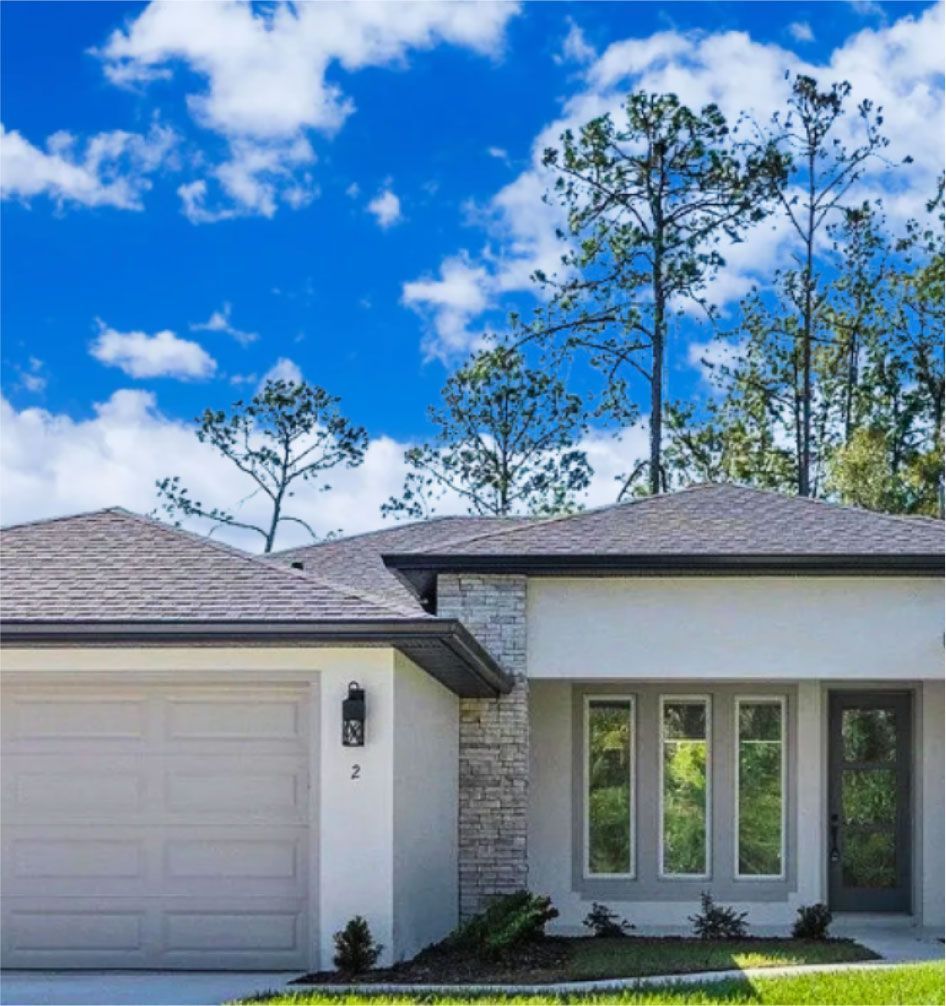
Many buyers save for a down payment and closing costs, but a new-construction purchase can have additional cash requirements. Exactly what applies depends on whether you are purchasing a completed inventory home, a home already under construction, or a home that will be built for you.
- Down payment and closing costs
- Builder deposit or earnest money required by the contract
- Design-center selections or upgrades that exceed included allowances
- Appraisal, inspections, and lender-required items
- Moving expenses
- Cash reserves after closing
Caspian savings to ask about: Caspian Homes currently advertises a $5,000 discount for eligible military/veterans, first responders, healthcare staff, and educators, with restrictions that may apply. Caspian also advertises additional promotions on select homes, including closing-cost assistance when using a preferred lender.
Want a Palm Coast new-construction affordability check? Call 1-830-CASPIAN to review current homes, promotions, and preferred-lender options.
4. Avoid Major Financial Changes - Especially During a Build
Lenders can review your credit, income, assets, and debt again before closing. If your home is being built over several months, you have a much longer window in which a financial change can affect the approval.
For example, financing a new truck in month four of a six- to nine-month build can raise your debt-to-income ratio before the home is finished. A purchase that felt unrelated to the house can change the mortgage qualification on a deal that has already been in progress for months.
- Financing or leasing a vehicle
- Opening or closing credit-card accounts
- Making large purchases on credit
- Co-signing for someone else's loan
- Moving large sums of money between accounts without documentation
- Changing jobs, compensation structure, or employment status
5. Get Pre-Approved for the Type of New Construction You Are Buying
Move-in ready inventory homes: These usually offer the most predictable timeline because the home is complete or close to completion. Financing can look more like a traditional home purchase, with fewer months of rate uncertainty.
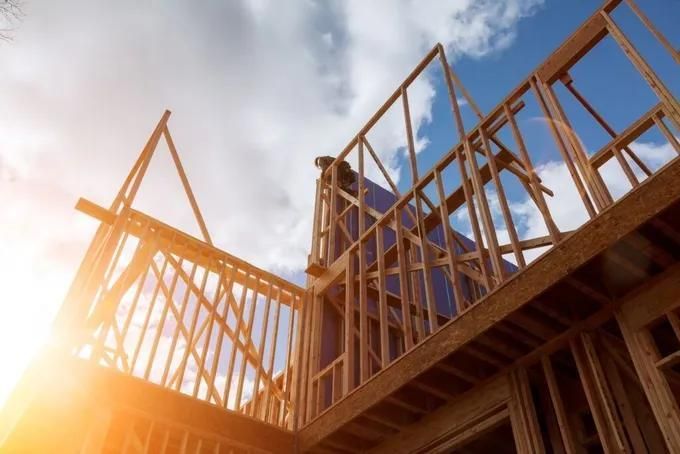
Homes under construction or built for you: Depending on the contract and lender, financing may involve a construction loan or construction-to-permanent structure, builder draws, and a longer period before the permanent mortgage closes. Ask who funds the construction, when your loan closes, and whether you will make payments during construction.
Ask about rate locks early. If your completion date is several months away, a standard short-term rate lock may not cover the entire build. Ask about extended locks, fees, deposits, float-down options, and what happens if the home finishes earlier or later than expected.
ASK THE RIGHT QUESTIONS BEFORE YOU SIGN
6. Work With a Team That Understands Palm Coast New Construction
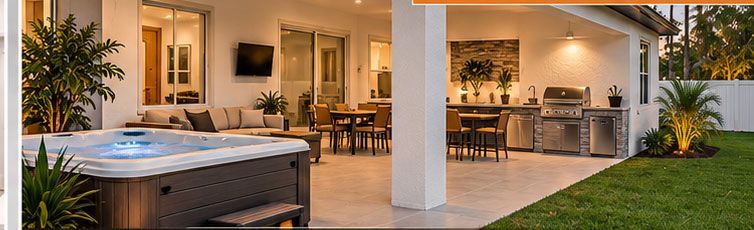
Your builder, lender, insurance agent, and real-estate professional should be able to explain not only the sales price, but also the costs that are specific to the property and the way it is being purchased.
| Before you sign, ask: | Keep asking: |
|---|---|
| • What deposits are due, and when? | • What wind-mitigation features are included in the home? |
| • Which finishes are included and which are upgrades? | • What is the FEMA flood zone for the lot? |
| • Is there an HOA, CDD, or other special assessment? | • When should I obtain an insurance quote? |
| • What should I expect for property taxes after the home is assessed? | • How long can my lender lock the interest rate? |
| • Are any current builder or preferred-lender incentives available? |

A Florida Property-Tax Detail Buyers Commonly Miss
Do not estimate your future property-tax bill only from what a seller or vacant lot paid in a prior year. Florida property taxes are based on assessed and taxable value, and a newly completed home can have a very different value than the land or prior assessment shown on an older tax bill.
If the home will be your permanent Florida residence, you may qualify for a homestead exemption that reduces taxable value. After the first year a qualifying homestead receives the exemption and is assessed at just value, Florida's Save Our Homes limitation generally caps future annual assessment increases at the lower of 3% or the change in CPI. Buyers moving from another Florida homestead may also be eligible for portability of some Save Our Homes benefit.
Start With the Numbers - Then Choose the Home
Financial preparation for a new construction home is about more than getting pre-approved. It is knowing what you will need at contract, what your monthly ownership costs may look like in Florida, how long your financing must stay intact, and which builder incentives can reduce the amount you need to bring to the table.
Ready to see what fits your budget in Palm Coast? Contact Caspian Homes or call 1-830-CASPIAN (830-227-7426) to discuss move-in ready homes, new construction opportunities, current promotions, and a preferred-lender introduction.
This article is for general educational purposes only and is not mortgage, lending, insurance, tax, or legal advice. Loan terms, rates, insurance premiums, taxes, incentives, and eligibility vary. Consult the appropriate licensed professionals for advice specific to your situation.